
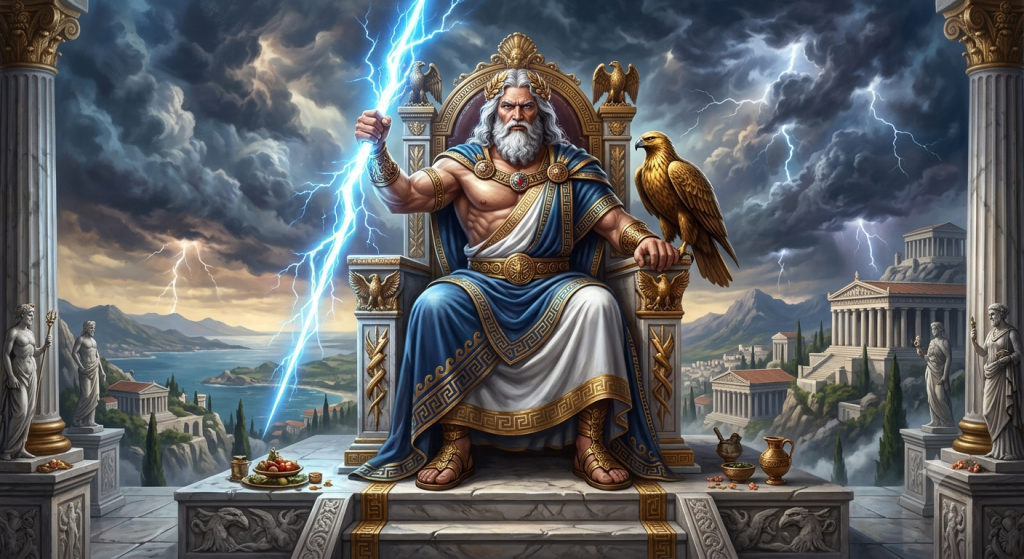
Greece: Ancient mythology and the darker folk tradition that followed it
Greek mythology has been retold so many times, in so many films and novels and video games, that it can be difficult to see it clearly anymore. The monsters have been smoothed into spectacle. The gods have been domesticated into characters with recognisable human motivations and tidy narrative arcs. The moral complexity that made the tradition genuinely disturbing has been largely edited out in favour of stories that resolve cleanly and heroes who are unambiguously heroic.
What the ancient tradition actually contains is considerably more interesting. The Sirens were never mermaids. Circe is the most important helper in the second half of the Odyssey, not a villain. The Cyclops episode is a meditation on hospitality and pride, not a monster story.
And beneath the ancient tradition is something less well known: the folk tradition of Greece that developed through the Byzantine period and the Ottoman occupation, the creatures and beliefs that survived the official replacement of the ancient religion, and the historical legends that grew around the real events of Greek history. The Kallikantzaroi spend all year sawing the World Tree underground and emerge at Christmas. The Nereids are still feared at certain springs. Alexander the Great is sleeping in a mountain.
Both traditions are covered below.

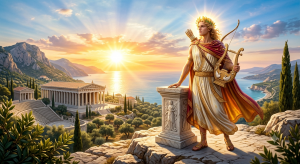
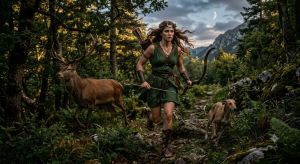
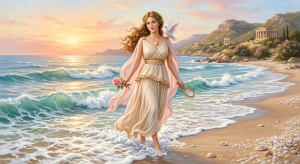


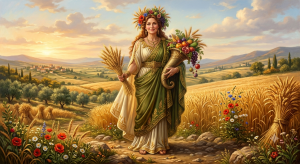
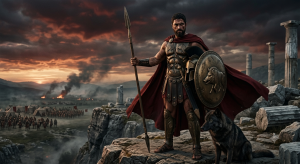

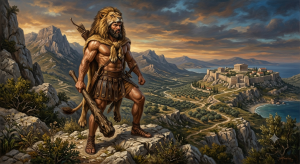
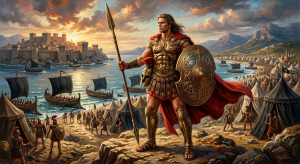
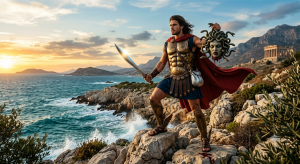
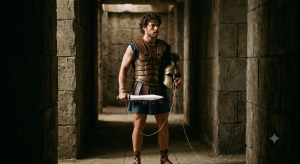
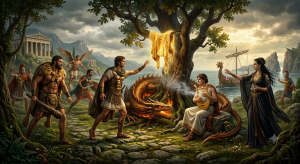

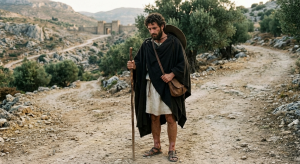

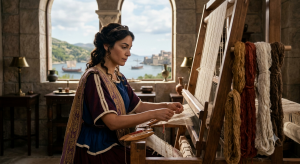
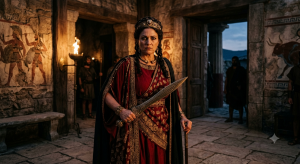


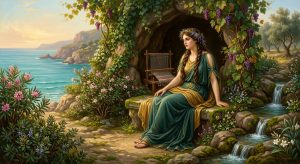


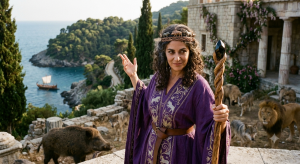
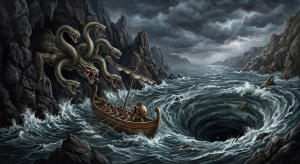


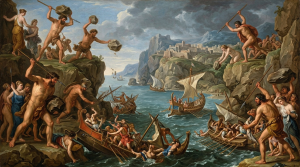


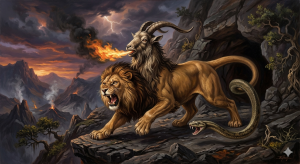
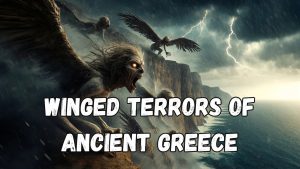
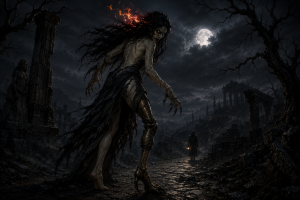
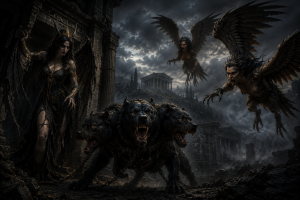


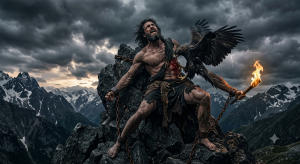

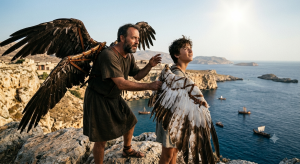

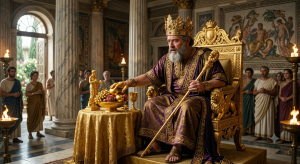
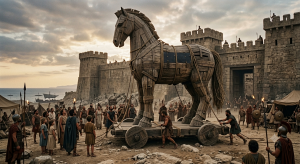

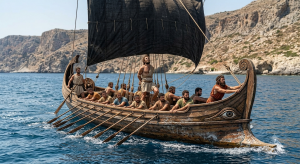


Greek mythology is the foundation of Western literary tradition in a way that no other body of stories quite is. The Odyssey is one of the oldest narratives in the Western canon, and every story about a journey home, every story about a person trying to get back to where they belong, owes something to it. The tragedies of Sophocles and Aeschylus are the origin point of dramatic storytelling as a form. The monsters of Greek mythology are the first monsters that Western culture learned to think about seriously, as figures that meant something rather than simply as obstacles to be overcome.
The tradition is also genuinely strange in ways that are easy to forget. The gods are not good. They are powerful, petty, easily offended, capable of extraordinary cruelty and occasional kindness, and entirely indifferent to human suffering in any consistent moral sense. Odysseus survives his journey not because he is virtuous but because he is clever and because Athena finds him interesting. The Trojans lose the war not because they are wrong but because the gods decided they should lose. The moral universe of Greek mythology is not comfortable, and that discomfort is one of the things that makes it durable.
The folk tradition that followed the ancient one is not a decline from it. The Kallikantzaroi and the Nereids and the Stoicheio represent a living Greek supernatural imagination that continued to develop for two thousand years after Homer, shaped by Christianity, by Byzantine culture, by Ottoman occupation, and by the specific character of the Greek landscape and the Greek people. Both traditions deserve serious attention. This site gives them both.