Gods · Creatures · Cosmology · Fate

Norse Mythology: Darker and stranger than you think

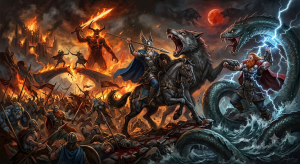
Norse mythology is not primarily a collection of adventure stories about gods with hammers. It is a cosmological framework built around a single organising fact: everyone knows how it ends. The gods know Ragnarök is coming. They have known for a long time. Their response to that knowledge – what they sacrifice for wisdom, what they build in preparation, what they choose to love knowing it will be lost – is what makes the tradition one of the most psychologically serious in world mythology.

The tradition is preserved primarily in two 13th century Icelandic collections, the Poetic Edda and the Prose Edda of Snorri Sturluson, drawing on oral traditions that stretch back into the Viking Age and beyond. What those sources preserve is a mythology of remarkable depth: gods who are morally complex, cosmological structures of genuine philosophical interest, and a relationship between fate and agency that no other tradition handles with quite the same honesty.

The articles below cover every major figure, event, and concept in the Norse tradition. Start anywhere. Each article connects to the others.
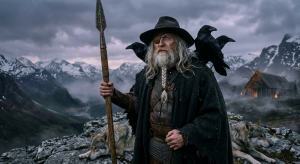

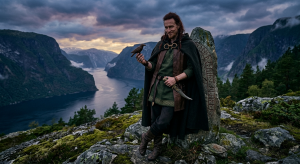
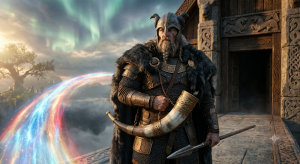
NorseOdin: The Allfather Who Sacrificed Everything for Knowledge He Could Not Use to Save HimselfOdin knows how he dies. He has known for a long time. The völva whose vision opens the…
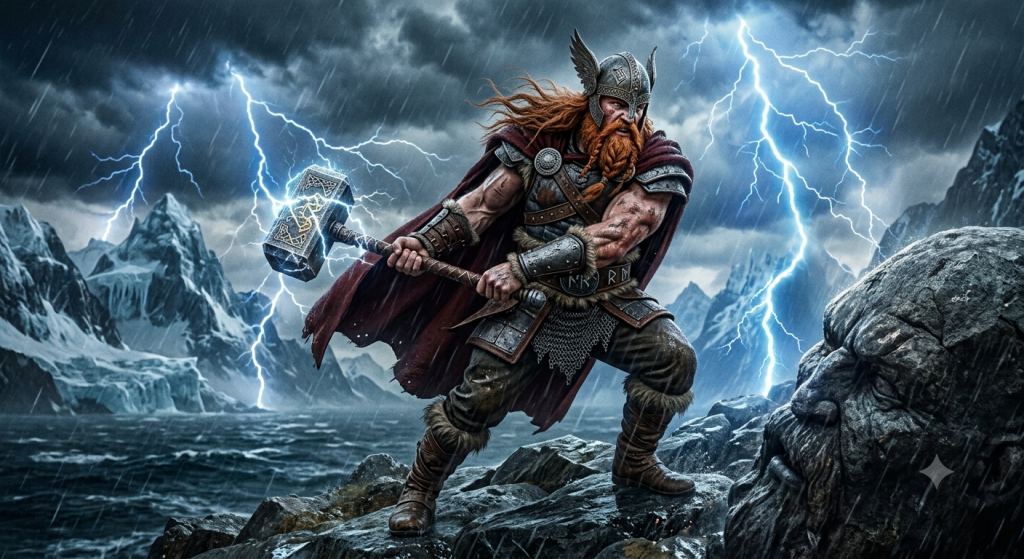
NorseThor: The God of Thunder Who Was More Important Than Odin and Had a Hammer With a Short HandleIn most popular treatments of Norse mythology, Odin is the chief god and Thor is his notable son,…
NorseLoki: The God Nobody Worshipped and Why That Makes Him the Most Interesting Figure in Norse MythologyAcross Scandinavia, the evidence for religious veneration of the Norse gods is embedded in the landscape. Place names…
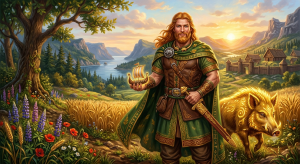
NorseFreyr: The God Who Gave Away the Sword That Would Have Saved Him and Knew What He Was DoingFreyr’s sword fights by itself. Without anyone holding it, without anyone directing it, the sword swings against giants…
NorseTyr: The One-Handed God Who Was Once Greater Than Odin and Has Almost No Mythology LeftTuesday is named after Tyr. Not after Odin, who gives Wednesday its name. Not after Thor, who gives…
NorseBaldr: The Most Beloved God in Norse Mythology and the Secret Odin Whispered at His FuneralWhen Baldr fell dead, the Prose Edda says that the gods were so stunned that none of them…
NorseHeimdall: The Watchman Born of Nine Mothers Who Hears Wool Growing on SheepHeimdall requires less sleep than a bird. He can see for a hundred leagues in every direction, equally…

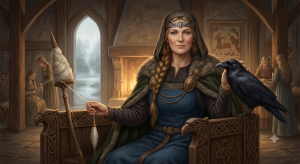
NorseFrigg: The Norse Queen Who Knows Everything and Says NothingFrigg knows the fates of all beings. This is stated clearly in the sources: she possesses the gift…
NorseFreyja: The Norse Goddess Who Takes Half the Dead, Taught Odin His Most Powerful Magic, and Weeps Tears of GoldFreyja is consistently described in popular culture as the Norse goddess of love, which is accurate as far…
NorseSkadi: The Giantess Who Came to Asgard Armed, Chose the Wrong Husband, and May Have Named ScandinaviaWhen Skadi arrived in Asgard after the gods killed her father Þjazi, she came armed. She came in…
NorseHel: The Ruler of the Dead Whose Servants Move Slowly and Who Answered Odin’s Request With a Condition He Could Not MeetWhen Hermod rode Sleipnir down through the darkness to the realm of the dead to beg for Baldr’s…

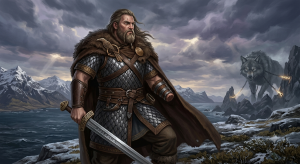
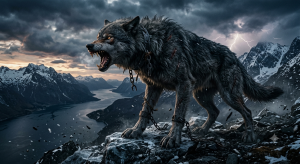
NorseFenrir: The Wolf Who Did Nothing Wrong Before the Gods Bound Him and Will Swallow Odin AnywayFenrir has not harmed anyone at the moment the gods decide to bind him. He has grown large…
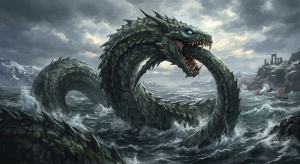
NorseJörmungandr: The Serpent That Is the Boundary of the World and What Happens When It Lets GoJörmungandr is usually described as Thor’s nemesis, the monstrous serpent that kills the god of thunder at Ragnarök…
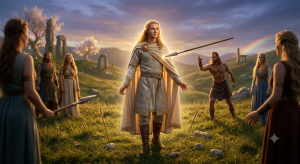
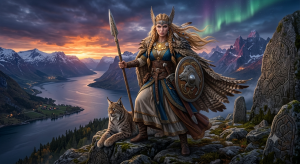
NorseThe Valkyries: Choosers of the Slain, Weavers of Fate, and the Women Who Had No Winged HorsesThe Valkyrie most people picture is a woman in a horned helmet on a winged horse, riding through…
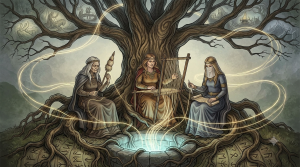
NorseThe Norns: The Three Women Above the Gods Who Brought Time and Consequence Into the WorldThe Norse gods are powerful, ancient, and in most cases considerably older than the humans they watch over.…


Norse mythology is experiencing a cultural renaissance driven by God of War, the Marvel films, and a growing general interest in pre-Christian European traditions. Most of what people encounter through those channels is accurate in outline and simplified in detail. The actual tradition, read in the Eddas, is considerably stranger and more psychologically serious than any adaptation has fully captured.

The gods are not simply powerful beings having adventures. They are a community living under the knowledge of their own inevitable destruction, making choices about wisdom, sacrifice, love, and justice in full awareness that none of it will ultimately prevent what is coming. That is a framework for thinking about mortality and meaning that is as serious as anything in Greek or Roman mythology, and more honest about outcomes than most.

The articles in this section treat the tradition with the seriousness it deserves. Primary sources are cited. Scholarly debates are acknowledged. Popular misconceptions are addressed directly. The goal is the tradition as it actually exists, not as popular culture has decided it should be.

Scroll to Top
×