

Halloween: Older and stranger than the costumes suggest
Halloween is the most widely celebrated secular festival in the English-speaking world, and it is almost entirely misunderstood. The carved pumpkin, the trick or treat, the witch costume, the horror film — these are twentieth century American additions layered over a tradition that goes back to the Celtic festival of Samhain, when the boundary between the living and the dead was understood to thin and the supernatural moved through the landscape with unusual freedom.
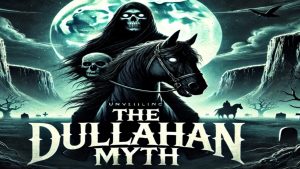
The Jack o’Lantern was originally a carved turnip. The witch’s green skin was invented by a Hollywood makeup department in 1939. Trick or treat descends directly from a medieval practice of offering prayers for the dead in exchange for small spiced cakes. The Headless Horseman was created by Washington Irving in 1820, drawing on the Irish Dullahan tradition. Almost nothing about Halloween is what it appears to be on the surface, which makes it one of the most interesting subjects in the whole of seasonal folklore.
The articles below cover the full history — where Halloween came from, what the creatures and customs actually mean, and how different cultures around the world mark the same seasonal moment.





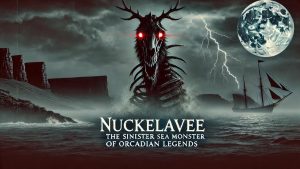


The seasonal moment that Halloween marks is one of the most universal in the human relationship with the year. Every culture that has ever existed has had to reckon with the transition from the light half of the year to the dark, with the understanding that winter brings death closer and the dead are never entirely gone. The specific forms that reckoning takes differ enormously across cultures and across time, but the underlying recognition is constant.
Halloween in its current form is a commercial product that has spread from America across the world in the last fifty years. But beneath the plastic pumpkins and the horror film marathons is a tradition of genuine depth, rooted in the Celtic Samhain, shaped by medieval Christian practice, and carrying forward an understanding of the season that is considerably more serious than its commercial presentation suggests. The dead are closer at Halloween. The boundary is thinner. That is not a marketing slogan. It is what people believed for thousands of years, and what the folklore examined on this site was created to explain and to manage.