
Irish Mythology · Welsh Mythology · The Cycles · Gods · Heroes
Celtic Mythology: Older, stranger, and closer to the landscape than you expect
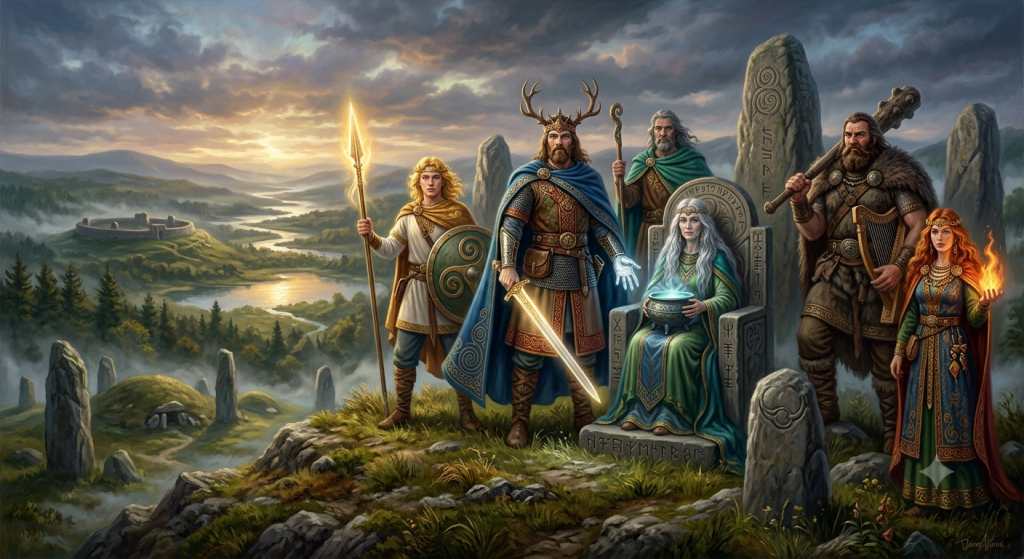
Celtic mythology is not a single tradition. It is a family of traditions, developed across Ireland and Wales over more than two thousand years, preserved in medieval manuscripts by Christian monks who recognised that something irreplaceable was being lost, and still embedded in the landscapes of both countries in ways that make it impossible to separate the stories from the places that produced them.
The Irish tradition is the deeper of the two in terms of surviving material. The four cycles of Irish mythology, the Mythological Cycle of the Tuatha Dé Danann, the Ulster Cycle of Cú Chulainn and Queen Medb, the Fenian Cycle of Fionn Mac Cumhaill, and the Historical Cycle of the legendary kings, together constitute one of the richest bodies of mythological literature in medieval Europe. The Welsh tradition, preserved primarily in the Mabinogion and in early poetry, is shorter in extent but no less remarkable in quality. Between them they cover gods and heroes, Otherworld journeys and cattle raids, tragic love stories and impossible quests, the nature of fate and the price of wisdom and the specific grief of outliving the world you were made for.
The articles below cover both traditions in depth. Start anywhere. Follow the links. The traditions reward sustained engagement in ways that summaries cannot replicate.
The Irish Gods — The Tuatha Dé Danann


The Mythological Cycle
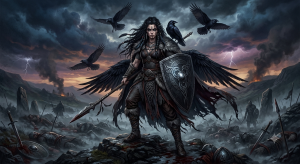
The Ulster Cycle
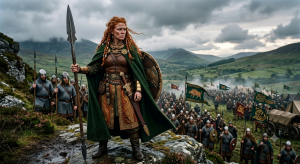
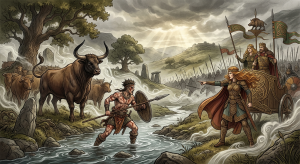
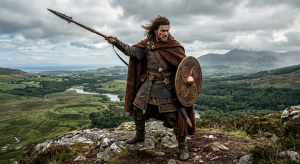
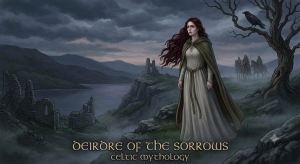
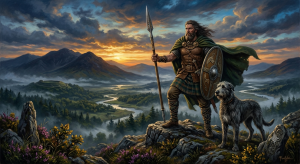
The Fenian Cycle

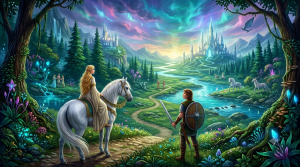
The Three Sorrows of Irish Mythology
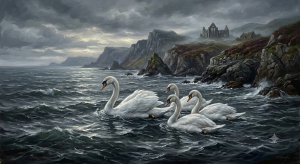
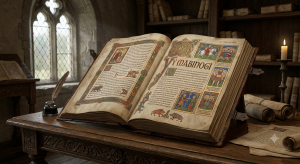
Welsh Mythology — The Mabinogion


Why This Tradition Matters
Celtic mythology is the tradition that produced the Arthurian legend, though the Arthur who appears in the earliest Welsh sources is almost unrecognisable beside the courtly king of Malory and Tennyson. It produced the cauldron of rebirth, which resonates through medieval literature as the Grail. It produced the Otherworld, that realm running alongside the ordinary world and accessible through the right kind of threshold at the right kind of moment, which is one of the most distinctive and most durable ideas in European mythological tradition.
It is also a tradition that has been less picked over than Greek or Norse mythology, which means the material is closer to its original texture. The Táin Bó Cúailnge has not been made into a hundred Hollywood films. Arianrhod and Lleu Llaw Gyffes have not been redesigned into comic book characters. The Children of Lir are known in Ireland but largely unknown outside it. The Welsh Arthur of Culhwch and Olwen, thirty-nine impossible tasks and a boar hunt across three countries, is almost entirely unknown to readers familiar only with the Round Table tradition.
This relative unfamiliarity is an opportunity. The tradition is available to readers who want to engage with it directly, in translations that are now widely accessible, without the weight of centuries of popular culture interpretation pressing down on every image and every character. Reading the Mabinogion for the first time, or the Táin, or the Children of Lir, is genuinely surprising in ways that reading Greek mythology for the first time often cannot be, because the Greek tradition is so thoroughly embedded in Western culture that almost nothing in it arrives fresh.
Celtic mythology arrives fresh. The articles on this site are designed to help it do so.