

Bruxsa: The Portuguese Vampire Witch Who Flew at Night and Drained Children
The Bruxsa is Portugal’s vampire tradition, and it occupies a position in Portuguese folklore that combines the vampire with the […]
Legendary Creatures · Vampires
The vampire of popular culture is a relatively recent invention. The cape, the castle, the aversion to sunlight, the romantic aristocrat who seduces before he kills: these are largely the product of 19th century Gothic fiction and the films that followed it, built on a foundation of Bram Stoker’s 1897 novel and the literary tradition that preceded it. They are compelling and they have proven extraordinarily durable. They are also a very long way from what the vampire actually was in the traditions that created it.
The blood-drinking undead is one of the most widely distributed supernatural figures in human folklore. It appears in ancient Mesopotamia, in classical Greece, in the folk belief of Eastern Europe, in the highlands of Scotland, in the villages of Romania, in China, in Ireland, and in the urban legends of 20th century London. Each tradition has its own version, its own rules, its own methods of dealing with the problem, and its own understanding of what it means that the dead sometimes refuse to stay dead. None of them look much like the creature Stoker invented, and most of them are considerably more disturbing.
The articles in this section cover vampires from across the world’s traditions, examined in the context that produced them rather than filtered through the lens of Gothic fiction. The Upyr, first documented in 1047 AD, predates Stoker by eight and a half centuries. The Abhartach of County Derry predates him by over a thousand years. The Empusa of ancient Greece predates both of them by millennia. The thread connecting all of them is not the cape or the coffin but something older and stranger: the idea that certain deaths leave something behind that still needs blood, and that the living must find ways to manage what the dead have become.
The oldest and most documented vampire traditions come from Eastern Europe and the classical world. The Slavic Upyr, whose name appears in a Russian manuscript from 1047, is one of the earliest written records of blood-drinking undead in the European tradition. The Romanian Strigoi belongs to a tradition that predates the Ottoman period and carries a specificity about causes and methods of containment that suggests centuries of practical engagement with the belief. The Greek Empusa is older still, a shapeshifting creature associated with Hecate that belongs to the classical tradition of blood-drinking demons rather than to the medieval European vampire myth.
These are not the same creature. The rules that govern the Upyr are different from the rules that govern the Strigoi, which are different again from the rules that govern the Empusa. Treating them as versions of the same thing flattens what is most interesting about each of them: the specific conditions that each tradition identified as producing the undead, the specific methods it developed for containing them, and what those specifics reveal about the communities that developed the belief.
Britain and Ireland have their own vampire traditions that developed independently of Eastern Europe and are rarely covered alongside the Slavic material. The Abhartach of County Derry is one of the oldest vampire legends in Europe, documented in the 17th century from oral traditions that were clearly far older, and the question of whether his story contributed to Bram Stoker’s Dracula is one that the evidence handles more honestly than most popular accounts acknowledge. The Dearg Due of Waterford is Ireland’s female vampire, contained under a stone rather than destroyed, her story raising questions about how ancient the tradition actually is that deserve careful examination. The Baobhan Sith of the Scottish Highlands is a beautiful woman who lures men to their deaths and belongs to the broader tradition of Scottish fairy vampirism that connects the blood-drinking undead to the Sith rather than to the European revenant.
The Glaistig occupies an interesting position in this taxonomy: she is not exclusively a vampire but she feeds on blood and the tradition places her in a relationship with the living that is defined by that feeding. Including her here reflects the reality that the vampire category in folklore is considerably less clean than popular culture suggests, and that the blood-drinking supernatural figures of the British Isles resist easy classification.
The Jiangshi of Chinese tradition demonstrates how widely the blood-drinking undead is distributed across the world’s folklore. A reanimated corpse that moves by hopping, stiffened by rigor mortis, controlled by the breath of the living, the Jiangshi belongs to a distinctly Chinese understanding of death, the soul, and the conditions under which the dead become dangerous. It shares the essential structure of the vampire tradition, a dead thing that threatens the living through its continued existence, while being almost entirely unlike the European versions in its specific characteristics and the methods used to manage it.
The Highgate Vampire case of 1970 and the Gorbals Vampire panic of 1954 demonstrate that the vampire tradition did not end with the Victorian novel. Both cases involved genuine public responses to the belief that vampires were present in specific urban locations, and both generated newspaper coverage, organised hunts, and a level of community panic that is difficult to explain if the tradition had simply become fiction by the mid-20th century. The Highgate case drew vampire hunters to a north London cemetery. The Gorbals case sent hundreds of children armed with stakes and knives into the Southern Necropolis on consecutive nights. Both are documented, both are real, and both are considerably more interesting than the horror films that are usually blamed for generating them.
Vlad the Impaler and Elizabeth Bathory occupy a different category: real historical figures whose association with vampire mythology was largely constructed after their deaths, but whose actual histories are strange and disturbing enough to deserve examination on their own terms rather than as props in someone else’s fictional universe.
Browse the articles below. The vampire you think you know is probably not the one you will find here.
The Bruxsa is Portugal’s vampire tradition, and it occupies a position in Portuguese folklore that combines the vampire with the […]

The Nachzehrer is the German-speaking world’s contribution to the vampire tradition, and it is one of the strangest figures in

The vrykolakas is the Greek vampire, and it is significantly different from the Western European vampire tradition that Bram Stoker
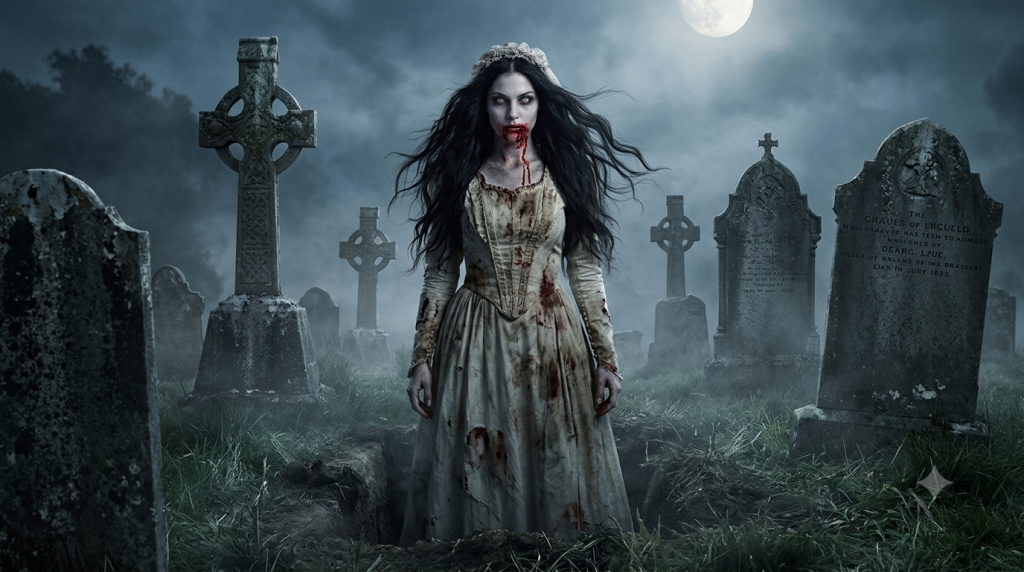
Somewhere in Waterford, at a location known as Strongbow’s Tree, there is a grave. The tradition says a stone should
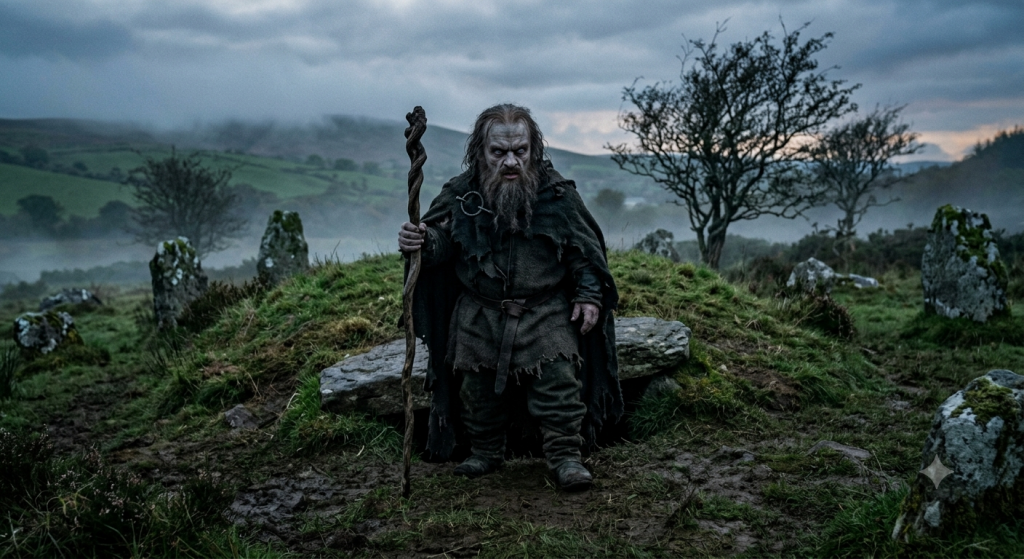
County Derry, Northern Ireland, sometime in the fifth or sixth century. A chieftain is dead. His subjects, who hated him
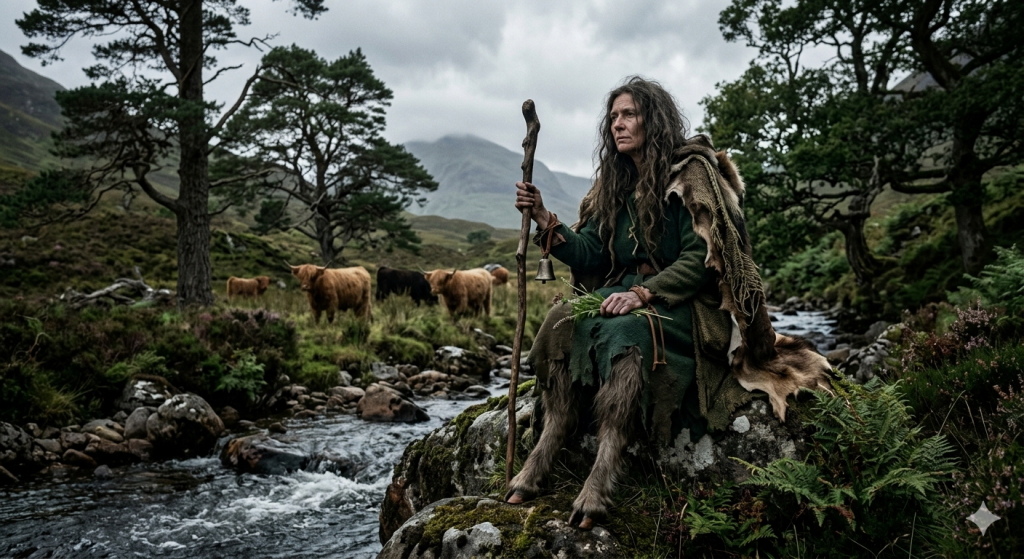
Most of the dangerous things in Scottish folklore have the decency to be consistently dangerous. The Kelpie wants to drown
Long before Bram Stoker put a name to the darkness, before the castle on the hill and the widow’s peak
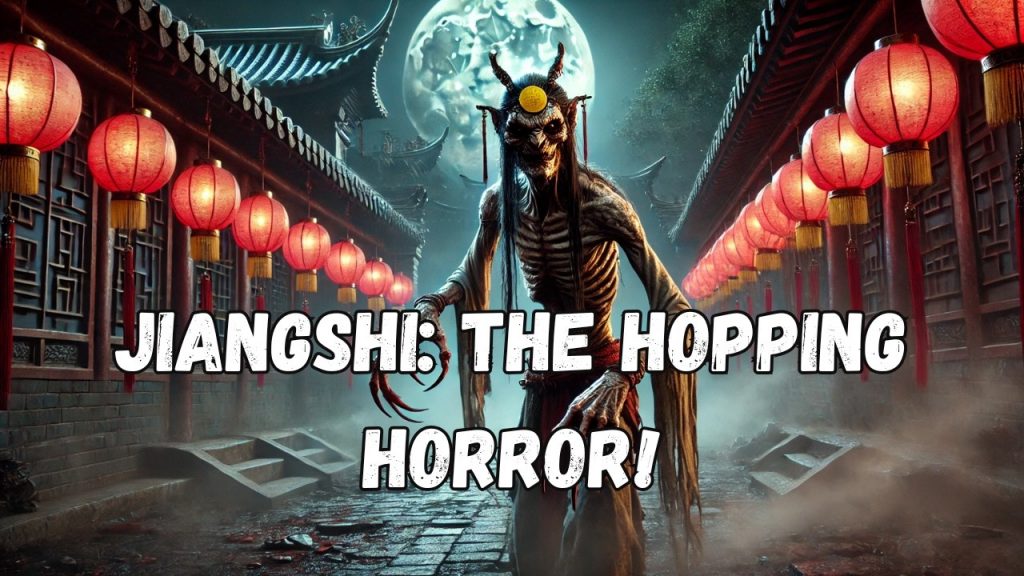
There is something uniquely unsettling about the Jiangshi. Not because it is the most powerful of the world’s undead traditions,
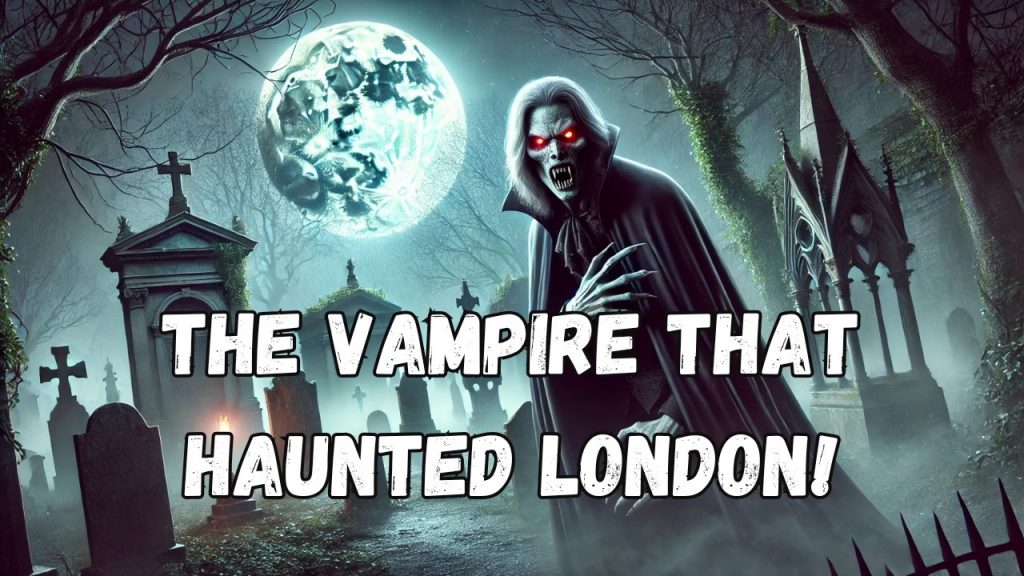
Friday the 13th of March, 1970. Within two hours of a single television broadcast, hundreds of people climbed the gates
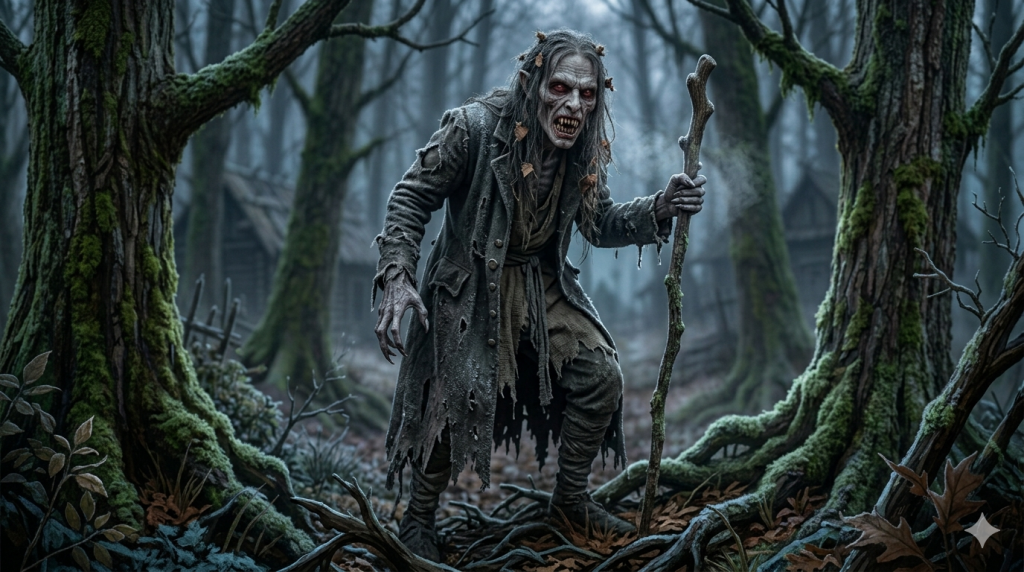
In 1370, a cleric in Moscow recorded the case of a merchant who had died during a famine. Villagers had