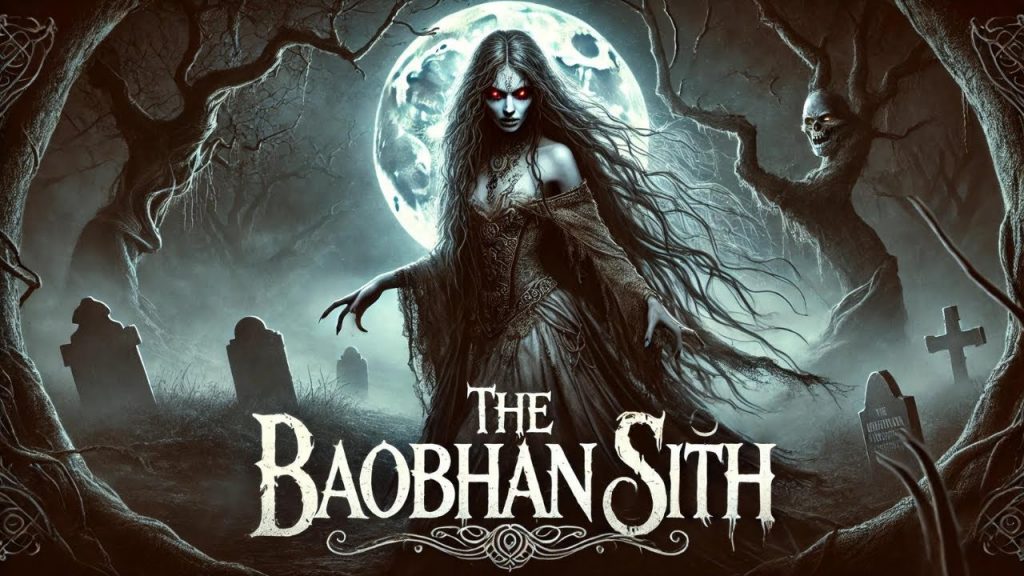
The Bruxsa is Portugal’s vampire tradition, and it occupies a position in Portuguese folklore that combines the vampire with the witch in a way that distinguishes it from most of the European undead tradition. The Bruxsa is not a reanimated corpse. It is a living woman who has made a pact with the devil, who transforms at night into a bird or other animal form, and who preys primarily on children and on travellers who cannot find shelter before dark.
The tradition is old enough that it appears in medieval Portuguese sources, making the Bruxsa one of the better-documented vampire figures in the Iberian tradition. It belongs to a broader Iberian category of supernatural female figures who combine witchcraft with predatory behaviour, and its closest relatives are found in Spanish folklore and in the traditions of Portuguese-speaking Brazil, where the creature travelled with the colonists and adapted to a new landscape.
What the Bruxsa Was
The Bruxsa in the Portuguese tradition was understood as a human woman rather than a creature entirely apart from humanity. She was a witch, a woman who had entered into a diabolical pact, and her vampiric activities were understood as an expression of that pact rather than as the result of improper burial or a curse. This distinguishes her fundamentally from the Eastern European and Greek undead traditions, where the vampire is created by death under specific circumstances. The Bruxsa was dangerous while alive.
She was said to gather with other Bruxas at night, flying to meetings where they danced and feasted in a manner consistent with the broader European sabbath tradition that witch trial prosecutors described across the continent. The gatherings were understood as part of her diabolical commitment, the social dimension of her pact, and her predatory activities were partly understood as the price of that membership.
Her victims were primarily infants and young children, whose blood she drank after transforming and entering the house in her animal form. The association between supernatural female figures and the danger to infants is one of the oldest and most widely distributed in world folklore, and the Bruxsa represents the Iberian version of this tradition, sitting alongside figures like the Strix of Roman tradition and the Lilith of Jewish folklore in a lineage of dangerous female supernaturals whose specific target is the very young.
The Bird Form
The Bruxsa’s most common transformation was into a bird, and the specific birds most often associated with her are night-flying species: owls, nightjars, and similar creatures whose nocturnal habits and unsettling calls already made them objects of supernatural anxiety in the folk tradition. When a night bird called near a house where a child was sick, the Bruxsa was the explanation available in communities where the tradition was active.
The bird transformation connects the Bruxsa to a very ancient stratum of supernatural belief. The Strix of Roman tradition, whose name gives us the word for witch in several Romance languages including the Portuguese bruxa from which Bruxsa derives, was similarly a bird-woman who preyed on infants. The continuity between the Roman Strix and the Portuguese Bruxsa across two millennia, mediated through medieval Latin traditions and the specific development of Iberian folk belief, represents one of the clearest examples of a vampire tradition with genuinely ancient roots.
Protection and Countermeasures
The protective measures against the Bruxsa reflect her nature as a witch rather than as an undead creature. Iron was effective, as it was against most supernatural figures in the European tradition. Religious objects and prayers provided protection. Keeping a fire burning through the night was considered helpful, as the Bruxsa, like many supernatural predators in the tradition, was associated with darkness and was repelled by light and heat.
The threshold of the house was a significant boundary in the tradition. While the Bruxsa could enter in animal form, certain protective rituals performed at the threshold could prevent her entry. Hanging garlic, iron implements, or specific plants at the door and window was widely practised in communities where the tradition was active, and the survival of these practices into the modern period in rural areas of Portugal and Brazil speaks to the depth of the belief’s roots in the community.
For more on the vampire traditions of the world, the Strigoi article covers the Romanian tradition with its own witch-vampire connections. The Upyr article covers the Slavic vampire. The Vampires: The Ancient Origins article covers the deeper history of the vampire tradition including the Roman Strix from which the Bruxsa ultimately descends.
Never miss a myth
Thank you for being here. The site is brand new and every subscriber genuinely means something to me. If you're here, you care about this stuff as much as I do - and that's all the reason I need to keep going. New stories, videos and dark folklore from around the world, straight to your inbox. No algorithm. Just the stories, when they're ready.