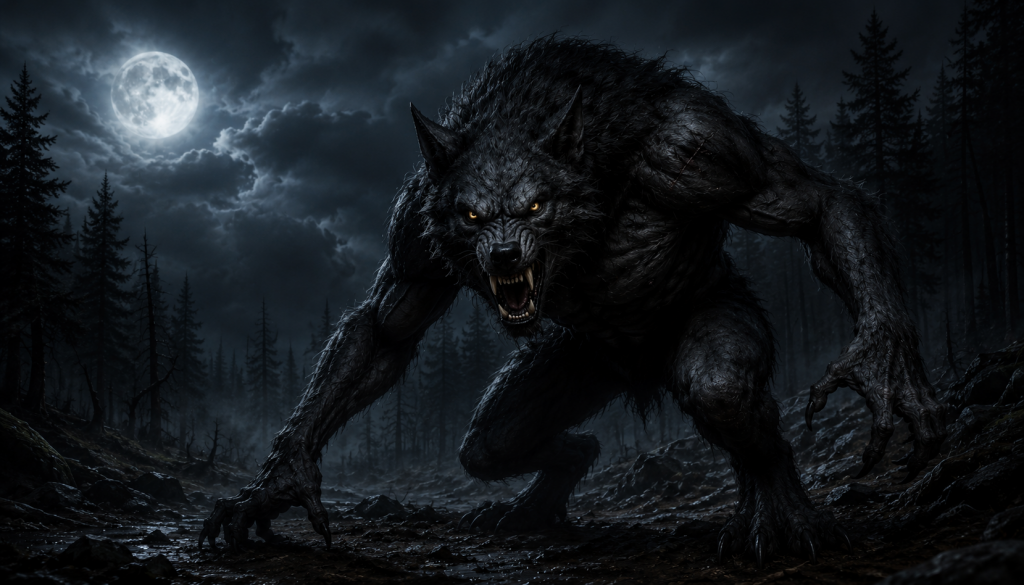
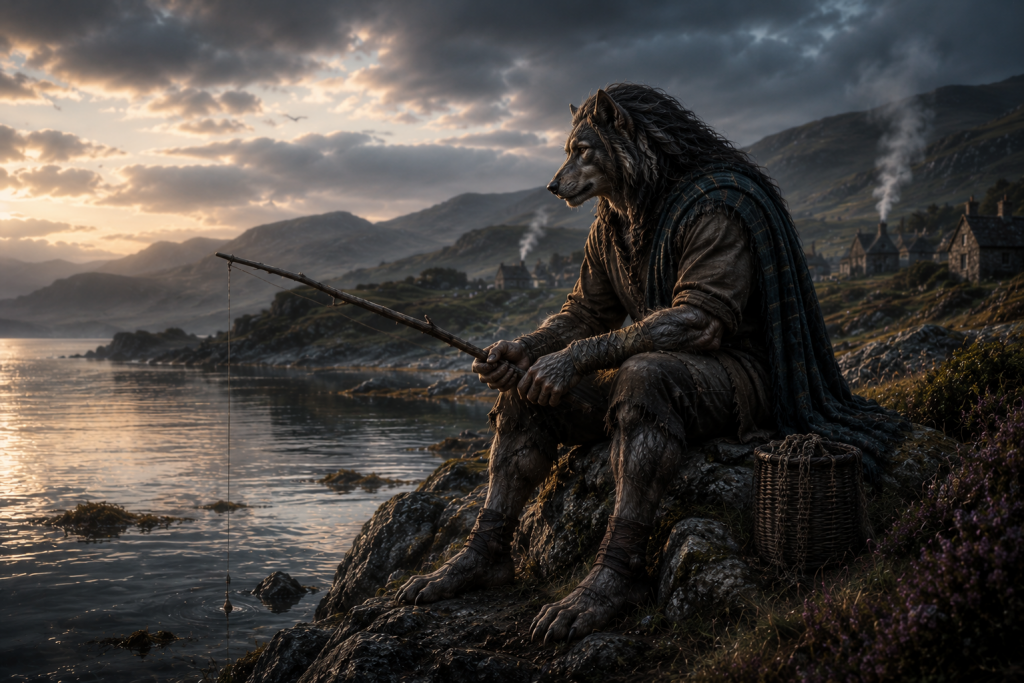
The Vukodlak is one of the most linguistically and conceptually interesting figures in European supernatural folklore because the same word, in different Slavic languages and different regional traditions, refers sometimes to a werewolf, sometimes to a vampire, and sometimes to a creature that combines elements of both. Vukodlak in Serbian, vlkodlak in Czech, vurdalak in Russian: all derive from a root meaning wolf’s fur or wolf’s hair, and all describe a figure whose relationship to the wolf and to the undead exists on a spectrum that the Western European tradition’s clean separation of werewolf and vampire does not accommodate.
This conceptual overlap is not confusion or inconsistency. It reflects a Slavic folk understanding in which the wolf and the returning dead were connected at a deeper level than their surface differences suggest. In parts of the Slavic world, dying as a werewolf meant returning as a vampire. In others, a vampire could transform into a wolf. In still others, the two were simply different names for the same threatening supernatural category: the dead that would not stay dead, with the wolf as the form that threat preferred.
The Linguistic Evidence
The etymology of vukodlak and its cognates reveals something important about the tradition’s origins. The root vuk means wolf in Serbian. The second element, dlak or similar, means fur or hair. Wolf’s fur is the literal meaning. This is the same root that underlies vrykolakas in Greek, borrowed from the Slavic tradition during the Byzantine period and then applied specifically to the Greek undead figure discussed in the Vrykolakas article on this site.
The Greek vrykolakas has lost the wolf association almost entirely: it is a vampire in the Greek tradition, and while the etymological wolf connection is noted by scholars, it is not part of how Greeks understood the creature. The Slavic tradition retains the wolf more actively, which suggests that the wolf was a more central element of the original concept before it diverged into the distinct Greek and Slavic branches.
The Serbian Tradition
In Serbian folklore, the vukodlak is most consistently described as a reanimated corpse that can transform into a wolf. A person who was a werewolf in life would return as a vukodlak after death. Certain causes of death, dying under a curse, dying excommunicated, dying by violence without proper burial, created vukodlaci. The creature drank blood, caused illness in the community, and attacked animals and people.
Vuk Stefanović Karadžić, the nineteenth century Serbian folklorist whose collection of Serbian folk poetry and prose is the primary source for much of the tradition, described the vukodlak as eating the sun and moon, causing eclipses. This cosmological dimension, the undead creature whose activities affect celestial bodies, is one of the most striking elements of the Slavic tradition and has no direct parallel in the Western European vampire or werewolf.
The Vurdalak in Russian Literature
The Russian vurdalak received its most famous literary treatment in Aleksei Tolstoy’s story The Family of the Vourdalak, written in French in the 1840s and published posthumously. Tolstoy’s story follows a traveller who encounters a Serbian family waiting for the return of their patriarch, who had gone to fight the Turks and warned them not to let him in if he returned after ten days, because it would mean he had become a vurdalak. The father returns on the tenth day’s evening. The family cannot resist letting him in. He is a vurdalak and one by one he transforms his family.
Tolstoy’s story fixed the vurdalak in the Russian literary imagination and contributed to the broader European vampire tradition through the translations and adaptations that followed. The specifically family-destroying quality of Tolstoy’s vurdalak, its targeting of its own relatives rather than strangers, reflects a genuine element of the folk tradition in which the returning dead were most dangerous to those closest to them in life.
Further Reading
If this article sparked your interest, these are the books worth reading next.
The Beast of Gévaudan
by Jay M. Smith — the most thorough historical investigation into the creature that terrorised southern France between 1764 and 1767, and what the historical record actually reveals about what it was.
The Werewolf Book: The Encyclopedia of Shape-Shifting Beings
The most comprehensive reference on the werewolf tradition across world cultures — every regional variant, every historical case, every folkloric and literary expression of the shape-shifting being.
The Werewolf in Lore and Legend
by Montague Summers — the classic scholarly treatment of werewolf belief, drawing on primary sources from across Europe. Dense, serious, and still the best single academic treatment of the tradition.
For more on the werewolf and vampire traditions, the Vrykolakas article covers the Greek descendant of the Slavic tradition. The Strigoi article covers the Romanian vampire-werewolf tradition. The Dark Origins of the Werewolf article covers the broader history of werewolf belief.
Never miss a myth
Thank you for being here. The site is brand new and every subscriber genuinely means something to me. If you're here, you care about this stuff as much as I do - and that's all the reason I need to keep going. New stories, videos and dark folklore from around the world, straight to your inbox. No algorithm. Just the stories, when they're ready.