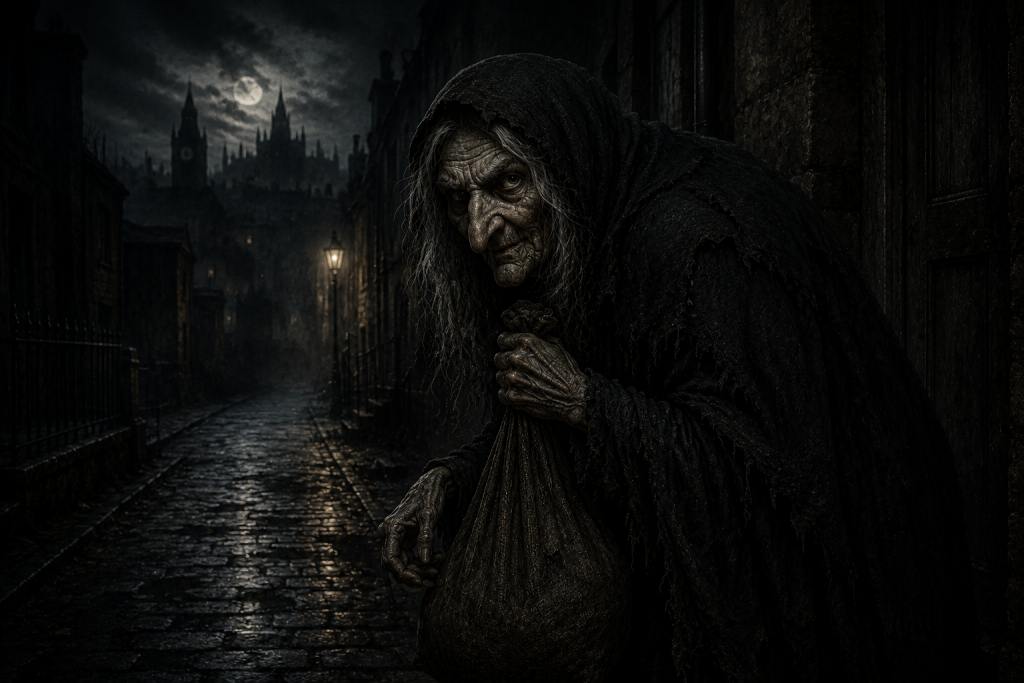

Underneath Glasgow Central Station, if the legend is correct, there is a village. Not a functioning village, not an inhabited one, but the physical remains of a community that was absorbed into the city in the 1870s when the railway came and everything above it was built over rather than demolished. The village was called Grahamston, it was a real place with a real history and real people who lived and worked there, and the question of whether any of it survives beneath the platforms and the concourse is one I have been trying to answer for most of my adult life.
I have not answered it yet. But I have found some things along the way that make me more certain than ever that there is something down there worth finding.
What Grahamston Actually Was

Before the station was built and before the city expanded to absorb it, Grahamston was a thriving community that played an important role in the surrounding area. Most of the goods coming into Glasgow arrived via the Clyde, and Grahamston was where they came ashore. It sat at the commercial heart of what would become the city centre, which is exactly why the railway eventually wanted the land it stood on.
We have first-hand accounts of what life there was like from two books written by Robert Lindsay. One describes Jamaica Street and the surrounding area in 1820. The other, written in 1893, covers Grahamston itself in the years before the railways arrived. These accounts are an extraordinary window into a Glasgow that has otherwise been almost entirely erased: the people who lived there, the character of the streets, the texture of daily life, and some of the superstitions and ghost stories that circulated in the community. One of those ghost stories, the Lady in Black who haunted a run-down villa in Grahamston, is covered in its own dedicated article.
Grahamston was demolished in the 1870s to make way for Glasgow Central Station. Or so the official record says. The complication is that to protect the station from the Clyde’s flooding, the ground level had to be raised significantly before construction began. Which raises an obvious question: if you raise the ground level rather than digging down, what happens to everything that was already there?
The Hidden Platform
The idea that something survives under Central Station is not new. It was part of Glasgow’s informal urban knowledge long before anyone official confirmed it, and I spent years pursuing it. I wrote to the station asking for access to the tunnels. The response was unambiguous: there were no secret tunnels, no undiscovered platforms, no village beneath the station, and I was to stop bothering them about it. I offered to arrange my own insurance and sign a waiver. They were not interested.
Then, roughly ten years later, they announced that they had discovered a Victorian platform beneath the station that nobody knew was there.
The platform had been there the whole time. The tours they subsequently offered to the public confirmed what the rumours had always suggested: beneath Glasgow Central Station, there were spaces that the station’s own management had not fully accounted for. The BBC made a documentary about it. The hidden platform became a minor tourist attraction. And yet the broader question of what else might be down there remained unanswered, because despite the promises of further exploration, nothing systematic has happened in the years since.
A few years after the platform discovery, I became friends with someone well connected at Scotrail, who was equally fascinated by Grahamston. We put together a proposal for a documented excursion beneath the station, with proper authorisation and all the relevant permissions. The informal conversations were encouraging. Then the people at the top got involved and the answer was no. Completely and firmly no.
I remain convinced there is more to find. The reason for that conviction is partly historical and partly personal, because in 2008 I found something myself.
27 Union Street: The Room That Should Not Be There
In 2008 I was working at a gaming store at 27 Union Street, a stone’s throw from Central Station, on ground that would have been at the heart of Grahamston before the railways arrived. The manager mentioned in passing that there was a room downstairs that nobody used, that the lights had never been wired up because there was no need for the space, and that nobody really knew what it contained. This was, inevitably, the only thing I could think about for the rest of the shift.
We came in early one morning with torches and went to look.
The room was larger than expected. Standing in it, we could hear the footsteps of people walking on the pavement above, which meant the floor of the room sat roughly a level below street level. There was a piece of machinery in the corner, possibly an old generator, and part of the floor was covered in black and white checkered tiles. And on one wall, facing what our internal sense of direction told us was toward the street, there was a section of wooden slats that looked as if they had been there for a very long time.
We took them apart. The wood was old enough that it did not take much effort.
Behind the slats was a small room, or perhaps more accurately a small cave, that appeared to have been dug or carved directly out of rock. It was cramped. And in the rock, carved into the stone itself, was what appeared to be a bed with a pillow. Not furniture placed in the room. The bed and pillow were part of the rock, shaped from it.
I have no explanation for this. It may have nothing to do with Grahamston. It may be something entirely mundane that I am misremembering or misinterpreting. But I have thought about it regularly in the years since, and I have not come up with a satisfying alternative explanation for a carved stone bed in a hidden room beneath Union Street. The owner of the building received an email from me at some point in the years after. I have not yet received a reply.
Is There Really a Village Under the Station?

The honest answer is that nobody knows, because nobody with the authority to look has looked properly. What we know is that the ground was raised before construction, that a Victorian platform survived undiscovered for decades, that the historical record of Grahamston is detailed enough to tell us exactly what was where before the station was built, and that at least one room beneath Union Street contains something that was not put there recently.
Norrie Gilliland’s book Glasgow’s Forgotten Village: The Grahamston Story contains a photograph of part of Grahamston being demolished, though Gilliland notes that this may not be the section of the village on which the station was subsequently built. The main section of Grahamston, the part that sat directly under what is now the concourse and platforms, remains unaccounted for in the photographic and documentary record.
My father thinks it is all gone. I think there is a reasonable chance that fragments remain. Neither of us can prove it. But the hidden platform existed for decades before anyone admitted it, and the room under Union Street is still there, with its carved stone bed and its unexplained history, waiting for someone with better access and better equipment to go back and look at it properly.
If that ever happens, this article will be updated.
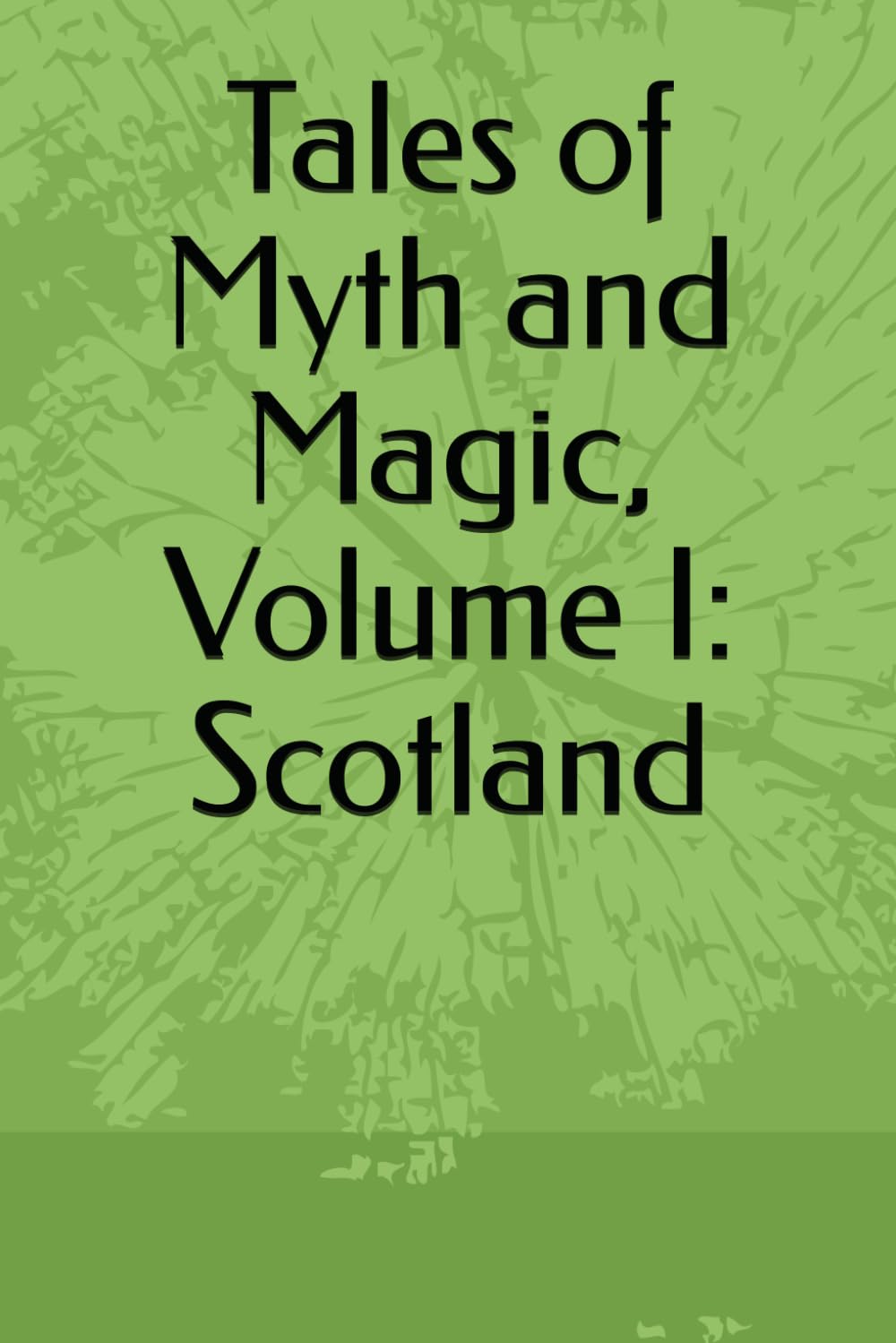
If you enjoyed this article, the creatures and legends of Scotland are collected in my book Tales of Myth and Magic, Volume I: Scotland — 25 tales told in full, each traced to its earliest sources, with a map, glossary, and full bibliography. Available in paperback for £11.99.
Find Out More →Further Reading
If this article sparked your interest, these are the books worth reading next.
Scottish Urban Legends: 50 Myths and True Stories
by Aaron Mullins — fifty Scottish urban legends including stories from Glasgow, Edinburgh, and the Highlands. The kind of tradition that Maggie Murphy belongs to, collected properly in one volume.
Scottish Urban Myths and Ancient Legends
by Grace Banks and Sheena Blackhall — vampires, werewolves, devil encounters, and the school playground legends of Scotland. A genuinely good collection of the stories Scots have been telling each other for generations.
The Lore of Scotland: A Guide to Scottish Legends
by Jennifer Westwood and Sophia Kingshill — the most comprehensive collection of Scottish legend in print, covering Glasgow to Shetland, exploring origins and historical basis. Endorsed by Terry Pratchett as the real macabre.
For more on Grahamston’s stories, the Lady in Black article covers the ghost that Robert Lindsay recorded haunting a villa in the village before it was demolished. The Glasgow Folklore page has every article on the city’s hidden history in one place.
Never miss a myth
Thank you for being here. The site is brand new and every subscriber genuinely means something to me. If you're here, you care about this stuff as much as I do - and that's all the reason I need to keep going. New stories, videos and dark folklore from around the world, straight to your inbox. No algorithm. Just the stories, when they're ready.